Digital-first economy, your online presence is the face of your brand. But having just any website is no longer enough. You need a Digital Website—a dynamic, integrated, and conversion-driven platform built to meet modern user expectations and search engine standards.
So, what exactly is a digital website, and why should every business—from local startups to global enterprises—invest in one in 2026? Let’s explore.
What Is a Digital Website?
A digital website goes beyond static design. It is an online platform designed with innovative features, real-time integration, marketing automation, and mobile optimization. It combines UX design, content strategy, SEO Search Engine Optimization, and analytics to help businesses:
- Generate qualified leads
- Increase online visibility
- Enhance customer engagement
- Automate marketing and sales workflows
Think of it as a digital storefront, salesperson, and customer service rep.
Why a Digital Website Matters in 2026
Your digital presence must evolve with consumer behaviour constantly shifting toward mobile browsing, social proof, and fast, personalized experiences. A well-structured digital website ensures:
- Credibility and trust: First impressions matter; users judge your brand based on your site’s looks and functions.
- Search engine visibility: SEO-friendly digital websites rank better on Google, bringing in organic traffic.
- Conversion-focused design: Modern digital websites are built to convert visitors into leads or customers.
- Mobile-first experience: Most users now browse and shop via smartphones, so your site must perform perfectly on all devices.

Core Elements of a High-Performing Digital Website
A high-performing digital website goes beyond attractive visuals. It is a strategic blend of functionality, performance, content, and user experience, aiming to achieve tangible results such as increased traffic, conversions, and customer retention. Whether you’re building an e-commerce site, business portfolio, or blog, the following elements are essential for digital success.
1. Responsive Design
In today’s multi-device world, responsive design is no longer optional—it’s essential. Your website must automatically adjust its layout and content to fit any screen size, whether desktop, tablet, or mobile phone. This ensures users enjoy a seamless experience regardless of their device. Moreover, Google’s mobile-first indexing means that your mobile version is the primary version used for ranking. A non-responsive website risks losing both visibility and user trust.
Key Features:
- Flexible grid layouts
- Adaptive images
- Mobile-friendly navigation
- Touch-optimized elements
2. Search Engine Optimization (SEO)
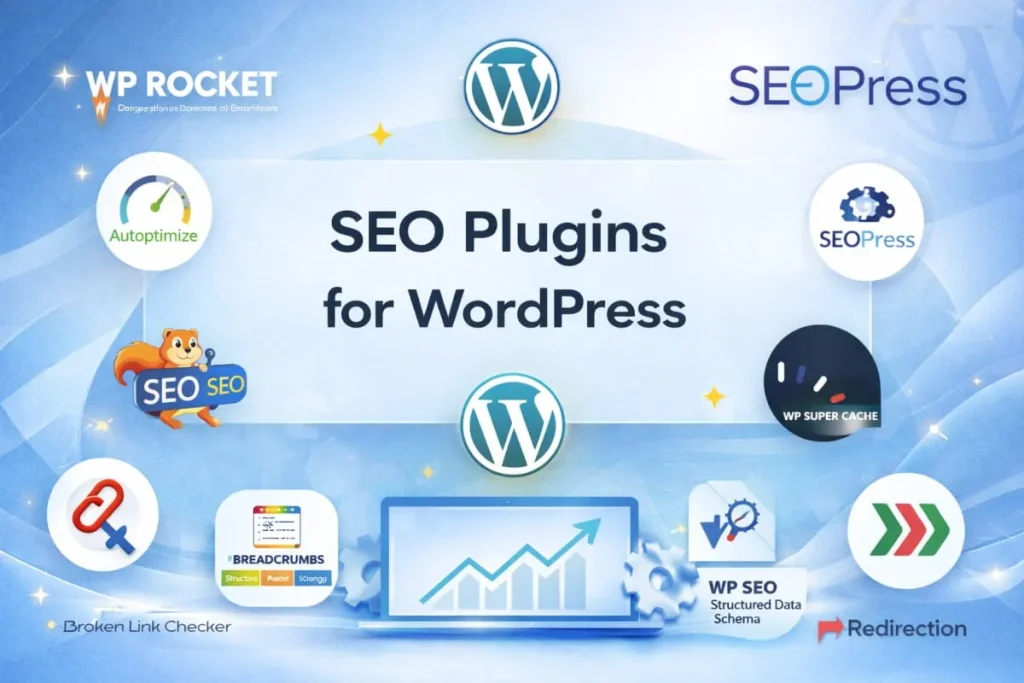
SEO is the backbone of your website’s online visibility. A beautifully designed site means little if it cannot be found. Effective SEO involves optimizing:
- On-page elements include title tags, meta descriptions, header tags, and internal linking.
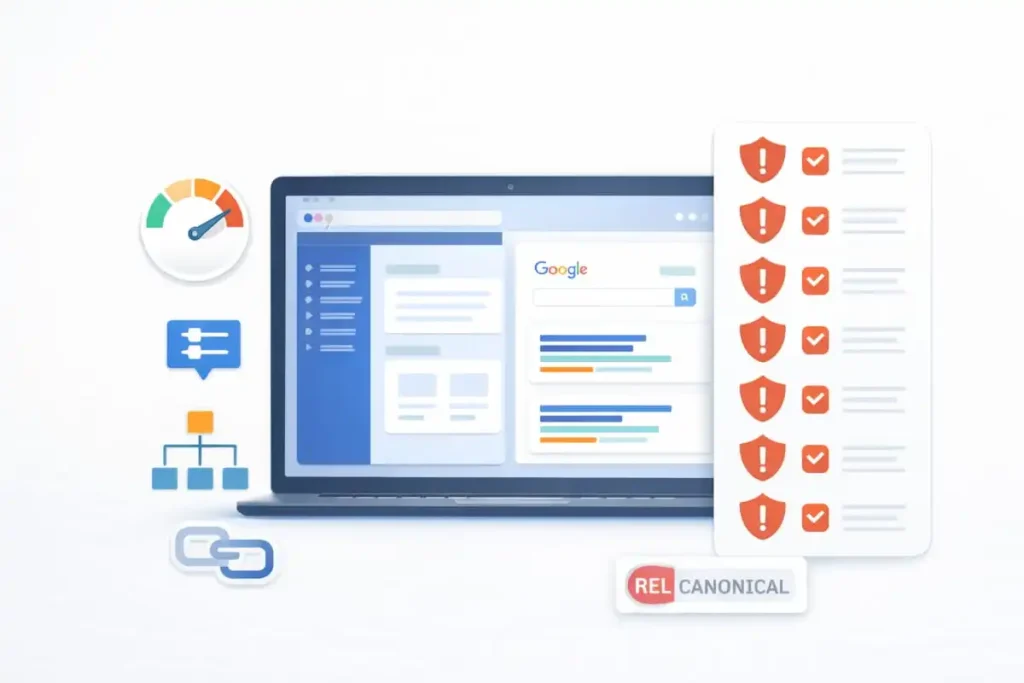
- Technical aspects: like XML sitemaps, robots.txt, schema markup, and canonical tags.
- Content strategy: focusing on keyword research, quality writing, and topical authority.
Good SEO ensures that your site ranks higher in search engines, drives organic traffic, and reaches the right audience.
3. Fast Loading Speed
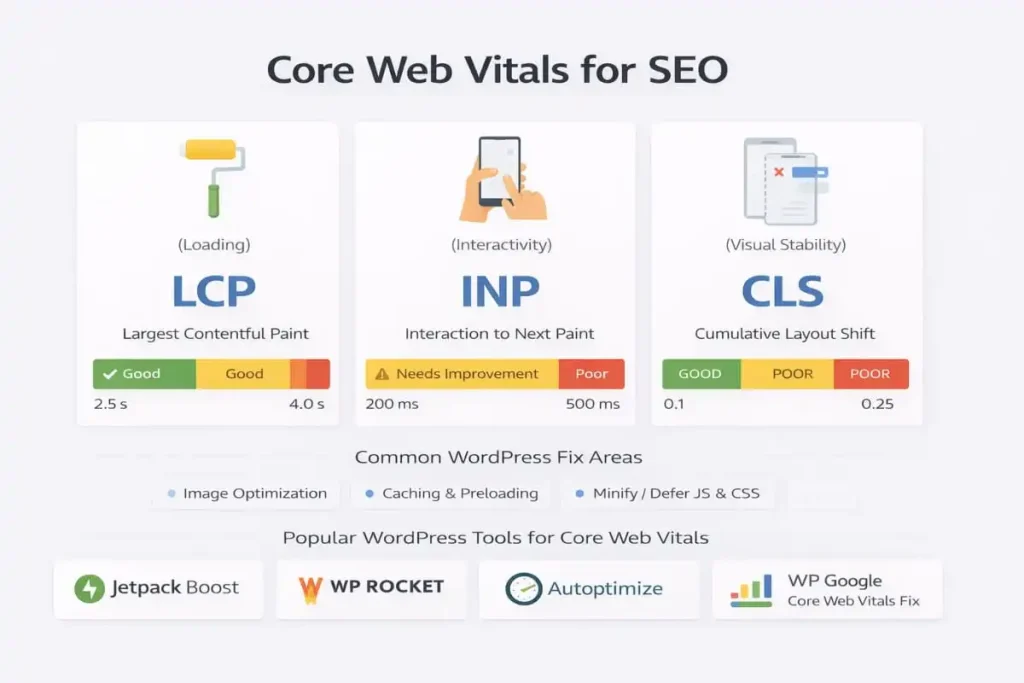
Website speed is a critical ranking factor and a key driver of user satisfaction. Studies show that users expect pages to load within 2–3 seconds. Any longer risks higher bounce rates and lower conversion rates.
Performance Optimization Techniques:
- Compress and optimize images
- Minimize HTTP requests
- Use fast hosting solutions.
- Implement caching strategies
- Minify CSS, JavaScript, and HTML
A fast-loading website improves user experience, supports SEO, and increases the likelihood of repeat visits.
4. User-Centric Content
Content keeps users engaged and guides them through your website’s journey. It should be informative, easy to understand, and structured around user intent—what your audience is actually looking for.
Best Practices:
- Use clear, concise language
- Address pain points and offer solutions
- Incorporate multimedia (videos, infographics, images)
- Leverage internal linking to guide navigation.
- Update content regularly to maintain freshness.
Great content helps establish authority, builds trust, and boosts engagement metrics like time on site and page views.
5. Security (HTTPS)
Website security is a must, not just for user trust but also for SEO. HTTPS encrypts the data transferred between your website and users, protecting sensitive information such as login credentials or payment details. Google favours HTTPS websites in search rankings, and many browsers now flag HTTP sites as “Not Secure.”
Security Essentials:
- SSL certificate installation
- Regular software updates and patches
- Firewall and malware protection
- Secure payment gateways (for e-commerce)
A secure website builds confidence and reduces the risk of cyber threats.
6. Analytics and Data Tracking
What gets measured gets improved. Integrating analytics tools like Google Analytics, Google Search Console, and Hotjar allows you to track:
- User behaviour
- Traffic sources
- Bounce rates
- Conversion goals
- Page performance
These insights are invaluable for optimizing your site’s layout, content, and marketing strategies. Data-driven decisions ensure you’re not just guessing but strategically enhancing the user experience.
The Business Impact of a Digital Website
Here’s how a digital website adds real business value:
- Lead Generation: Clear CTAs, lead forms, and landing pages convert visits into enquiries.
- Brand Positioning: Consistent branding and storytelling position your business as a leader in your niche.
- Revenue Growth: eCommerce capabilities or service-booking integrations help convert traffic into sales.
- Customer Retention: Blogs, FAQs, and chatbots offer value and keep users returning.

How to Build a Digital Website in 2026
You can hire a professional agency like ITLeadz.com or follow these steps if building it yourself:
- Choose a fast, reliable CMS (e.g., WordPress, Webflow, Shopify)
- Design for UX (user experience) and UI (user interface)
- Implement basic and advanced SEO
- Use high-quality visuals, brand colours, and compelling copy
- Connect social channels, CRM, email marketing tools
- Test and optimize regularly based on user feedback and analytics
Digital Website vs Traditional Website
Feature Traditional Digital Website
| Feature | Traditional Website | Digital Website |
|---|---|---|
| Static Design | Yes | No (Dynamic & Interactive) |
| SEO-Optimized | Limited | Fully Optimized |
| Marketing Integration | Rare | Full Integration (CRM, Email, etc.) |
| Real-Time Updates | Manual | Automated or System-Driven |
| User Engagement Features | Basic | Live Chat, Blogs, Videos, Pop-ups |
User Engagement Features Basic Live Chat, Blogs, Videos, Pop-ups
Future Trends for Digital Websites in the UK (2026)
- AI Personalization: Showing content based on user behaviour or history
- Voice Search Optimization: More users now search using Siri, Alexa, or Google Assistant
- Progressive Web Apps (PWAs): Websites that behave like mobile apps
- Dark Mode UI: Aesthetic preference and battery saving on mobile devices
- Accessibility Compliance: Make sure your website is usable by everyone, including those with disabilities
Conclusion
A digital website in 2026 is not a luxury—it’s a necessity. If your business targets growth in the UK (or globally), investing in a modern, SEO-driven, user-centric website will help you build trust, gain visibility, and grow sustainably online.
If you’re unsure where to start, platforms like ITLeadz specialize in building high-performance digital websites tailored to your business goals.
Frequently Asked Questions (FAQs)
What is a digital website?
A digital website is an innovative, optimized, user-friendly platform designed to engage users, support marketing, and drive conversions.
Is SEO necessary for digital websites?
Absolutely. SEO helps your site rank on Google and reach your target audience organically.
How often should I update my website content?
Review and refresh your content every 3–6 months to stay relevant and maintain rankings.