Your website is often the first interaction customers have with your business. Yet many companies underestimate the importance of ongoing website maintenance, treating it as a one-time task instead of a long-term investment.
In this guide, we’ll break down what website maintenance is, why it’s essential, how much it costs, and what’s involved, while showing how consistent maintenance directly impacts search rankings, user experience, and business growth.
What Is Website Maintenance?
Website maintenance refers to the ongoing process of monitoring, updating, optimising, and securing a website to ensure it performs at its best at all times. This includes everything from software updates and security patches to performance optimisation, content updates, and technical SEO improvements.
Without proper maintenance, even a well-designed website can become slow, vulnerable, and outdated leading to lost traffic and conversions.
What Does Website Maintenance Include?
A comprehensive website maintenance plan ensures your site remains secure, high-performing, and aligned with current SEO best practices. At IT Leadz, our maintenance approach focuses on performance, stability, and long-term growth so your website continues to deliver measurable business results.
Core Maintenance Tasks
These foundational activities keep your website stable, secure, and fully functional:
- Regular CMS, plugin, and theme updates to prevent compatibility issues and security vulnerabilities
- Automated backups and restore points to safeguard your data
- Security monitoring and malware protection to prevent unauthorised access
- Fixing broken links and 404 errors to maintain usability and SEO integrity
- Performance optimisation and speed enhancements to improve load times and engagement
SEO & Performance Optimisation
Ongoing SEO and performance enhancements ensure your website remains competitive in search results:
- Technical SEO audits to identify crawl, indexing, and performance issues
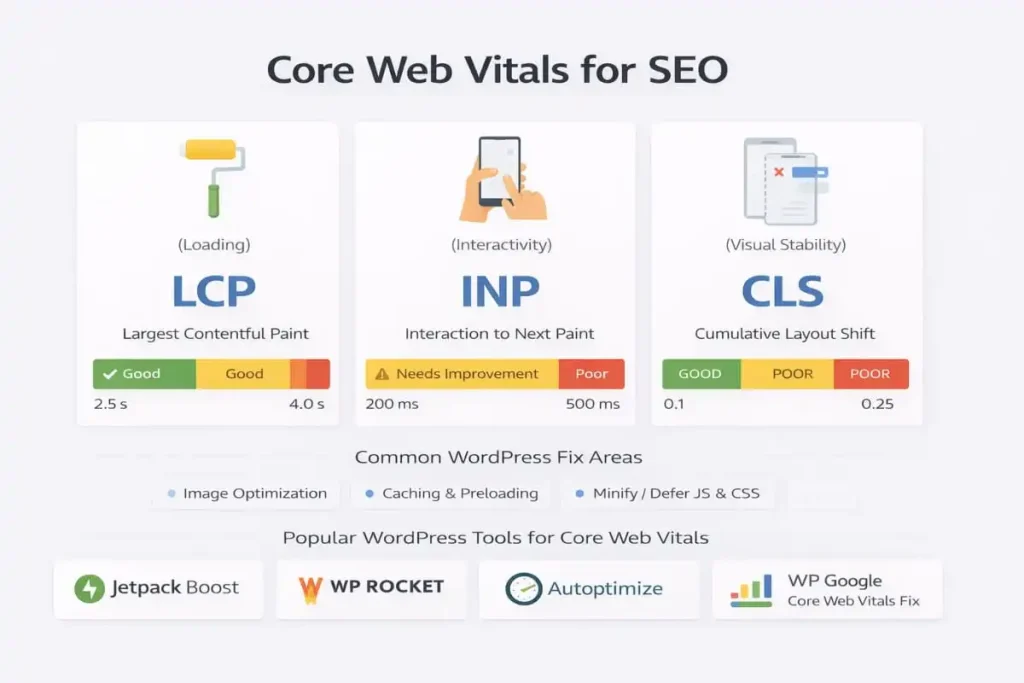
- Core Web Vitals optimisation for faster load times and improved user experience
- WordPress (WP) optimisation to streamline scripts, databases, and assets
- Mobile responsiveness checks to ensure consistent performance across all devices
- Structured data implementation to improve visibility in search results
Content & User Experience (UX) Updates
A well-maintained website evolves with your audience and business goals:
- Updating outdated or underperforming content
- Improving navigation and page layout for better usability
- Enhancing user experience (UX) through design and interaction refinements
- Testing forms, CTAs, and user flows to maximise conversions
All of these elements work together to strengthen search rankings, site usability, and customer trust ensuring your website remains a reliable, high-performing digital asset for your business.
Why Website Maintenance Is Important
Many businesses ask, “Do websites really need maintenance?” The answer is a resounding yes. Ongoing website maintenance is essential for protecting your digital investment, maintaining strong performance, and supporting long-term growth.
Here’s why consistent website maintenance matters:
Improves Search Engine Rankings
Search engines prioritise websites that are fast, secure, and technically sound. Regular updates, clean code, and performance optimisation help improve crawlability, indexing, and overall visibility leading to stronger and more sustainable SEO results.
Enhances User Experience
A slow-loading or poorly functioning website quickly drives visitors away. Routine maintenance ensures your site remains fast, responsive, and easy to navigate, creating a seamless user experience that keeps visitors engaged and encourages conversions.
Protects Against Security Threats
Outdated plugins, themes, and software are among the most common causes of website breaches. Ongoing maintenance helps identify vulnerabilities early, apply security patches, and safeguard sensitive data from cyber threats.
Prevents Costly Downtime
Unplanned downtime can result in lost revenue, reduced trust, and reputational damage. Proactive maintenance minimises the risk of website outages and helps prevent expensive emergency repairs before issues escalate.
Consistent website maintenance isn’t just a technical task it’s a strategic investment that protects your brand, strengthens performance, and supports long-term digital growth.
Ready to Improve Your Website’s Performance?
Book a free website audit with IT Leadz today and discover how strategic website maintenance can help you rank higher, load faster, and convert better.
How Much Does Website Maintenance Cost?
The cost of website maintenance can vary depending on your website’s size, complexity, and the level of ongoing support required. A well-maintained website is an investment that protects performance, security, and long-term growth.
Typical Website Maintenance Pricing
- Small business websites: $50–$150 per month
- Ideal for basic updates, security monitoring, and routine performance checks.
- Growing business websites: $150–$500 per month
- Suitable for sites that require regular content updates, SEO optimisation, and enhanced security.
- E-commerce or high-traffic websites: $500+ per month
- Designed for complex platforms requiring advanced performance tuning, frequent updates, and continuous monitoring.
What Affects Website Maintenance Costs?
If you’re wondering how much you should charge for website maintenance or how much you should pay, pricing typically depends on:
- Frequency of updates and content changes
- Level of technical support required
- Security, performance, and uptime requirements
- Website size, functionality, and traffic volume
Investing in professional Website Maintenance Services helps prevent costly downtime, protects your site from security threats, and preserves your search engine rankings—often saving money in the long run.
Learn more about our professional Website Maintenance Services and discover how we tailor flexible maintenance plans to meet your business goals.
What Is the Website Maintenance Process?
A structured website maintenance process ensures your site remains secure, high-performing, and aligned with best practices. Rather than reacting to problems after they occur, proactive maintenance helps prevent issues before they impact performance, visibility, or user experience.
Below is a breakdown of the core components of a professional website maintenance process:
Technical Updates
Keeping your website’s technology up to date is essential for stability and security.
- Regular CMS, plugin, and theme updates
- Compatibility testing after updates to prevent conflicts
- Bug fixes and technical issue resolution
Security Monitoring
Protecting your website and user data is a top priority.
- Malware scans and firewall monitoring
- Routine backups and restore testing
- SSL certificate and vulnerability monitoring
Performance Optimisation
Ongoing performance tuning ensures fast load times and a smooth browsing experience.
- Page speed and Core Web Vitals optimisation
- Image compression and script optimisation
- WordPress (WP) optimisation for improved efficiency
SEO & Content Maintenance
Maintaining strong search visibility requires consistent optimisation and content updates.
- Technical SEO audits to identify crawl and indexing issues
- Fixing broken links and crawl errors
- Content refreshes and keyword optimisation to stay competitive
User Experience Improvements
A seamless user experience helps drive engagement and conversions.
- Navigation and layout refinements
- Mobile responsiveness testing
- Conversion optimisation and usability enhancements
By following a structured website maintenance process, businesses ensure consistent performance, stronger search visibility, and a better overall user experience supporting long-term growth and reliability.
Why Do Websites Need Maintenance?
Many business owners ask, “Why do websites need maintenance if they’re already working?” The answer is simple: the digital environment is constantly evolving. Without ongoing care, even a well-built website can quickly become outdated, vulnerable, and ineffective.
Here’s why regular website maintenance is essential:
Improves Search Rankings
Search engines favour websites that are fast, secure, and technically sound. Ongoing maintenance ensures your site stays optimised, supports technical SEO best practices, and maintains consistent visibility in search results.
Enhances User Experience
Slow load times, broken links, or outdated layouts can frustrate visitors and drive them away. Routine maintenance keeps your website running smoothly, creating a professional, user-friendly experience that encourages engagement and conversions.
Protects Against Security Risks
Outdated plugins, themes, and software are common entry points for cyber threats. Regular updates and security monitoring significantly reduce vulnerabilities and help safeguard sensitive data.
Reduces Downtime and Repair Costs
Preventive maintenance minimises the risk of unexpected outages and costly emergency fixes. Addressing issues early ensures your website remains stable, reliable, and accessible at all times.
Consistent website maintenance is not just a technical task it’s a strategic investment that protects your online presence, strengthens performance, and supports long-term business growth.
How Long Are Websites Usually Down for Maintenance?
One of the most common concerns businesses have is downtime during maintenance. The good news is that when handled professionally, most website maintenance causes little to no disruption for users.
Here’s what you can typically expect:
- Minor updates: 5–15 minutes
- Small changes, such as plugin updates or minor fixes, are often completed quickly with minimal impact.
- Routine maintenance: 15–60 minutes
- Standard updates, performance optimisations, and security checks are usually completed within this window.
- Major updates or migrations: 1–3 hours
- Larger updates, platform changes, or migrations may take longer but are typically scheduled during low-traffic periods to minimise disruption.
With proper planning, testing, and execution, most maintenance tasks can be completed seamlessly—often without visitors noticing any downtime at all.
Final Thoughts
Website maintenance isn’t an optional add-on it’s a critical foundation for long-term digital success. Whether you manage a small business website or a growing online platform, consistent maintenance ensures optimal performance, stronger search visibility, and a better experience for your users.
By investing in ongoing updates, security, and optimisation, you protect your website from costly issues while positioning your brand for sustainable growth.
If you’re looking for reliable, results-driven support, explore our professional Website Maintenance Services and keep your website performing at its best today and long into the future.
Ready to Strengthen Your Website’s Performance?
Don’t let outdated systems, slow load times, or hidden technical issues hold your website back. Partner with experts who keep your site secure, optimised, and performing at its best.
Book a free website audit with IT Leadz today and discover how our professional Website Maintenance Services can improve performance, boost search visibility, and support long-term growth.
Frequently Asked Questions (FAQs)
What is website maintenance?
Website maintenance is the ongoing process of updating, monitoring, and optimising a website to ensure it remains secure, functional, and performant. It includes technical updates, security checks, performance optimisation, and content maintenance. Regular maintenance helps prevent issues that can affect usability and search visibility.
Why is website maintenance necessary?
Website maintenance is essential because it keeps a site secure, fast, and accessible. Regular updates reduce security risks, improve user experience, and help maintain consistent search engine rankings. Without maintenance, websites are more likely to experience downtime or performance issues.
How often should website maintenance be done?
Website maintenance should be performed on a regular schedule, with basic checks done weekly and deeper technical reviews conducted monthly. Ongoing monitoring ensures potential issues are identified and resolved before they impact users or search performance.
What does website maintenance include?
Website maintenance includes software updates, security monitoring, performance optimisation, backups, and content updates. It also involves fixing broken links, improving site speed, and ensuring compatibility across devices and browsers.
How long does website maintenance usually take?
Routine maintenance typically takes between 15 and 60 minutes, depending on the scope of updates. Larger updates or system changes may take longer but are usually scheduled during low-traffic periods to minimise disruption.
Why do websites need regular updates?
Websites need regular updates to remain secure, compatible with modern browsers, and aligned with current web standards. Updates help prevent vulnerabilities, improve performance, and ensure a consistent user experience.
Does website maintenance affect SEO?
Yes, website maintenance directly impacts SEO by improving page speed, fixing technical errors, and ensuring search engines can properly crawl and index the site. Well-maintained websites are more likely to rank consistently in search results.
What happens if a website is not maintained?
Without maintenance, websites can become slow, insecure, and outdated. This can lead to higher bounce rates, lost search visibility, security breaches, and potential downtime.
What is included in website security maintenance?
Website security maintenance includes software updates, malware scanning, firewall monitoring, and regular backups. These measures protect the site from unauthorised access and data loss.
How does website maintenance improve user experience?
Website maintenance improves user experience by ensuring fast load times, smooth navigation, and functional features. A well-maintained site is easier to use, more reliable, and more trustworthy for visitors.